
- Vulnerable patients not fed because of staff shortages at Colchester hospital, CQC finds
- “Tearful [and] exhausted” clinicians raised patient safety concerns to the regulator
- Inspectors also highlighted positives and staff “putting the patients first”
An inspection of a hospital has found all wards were understaffed, while ‘tearful [and] exhausted’ clinicians raised patient safety concerns to the regulator.
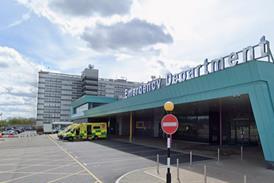
The Care Quality Commission’s visit to Colchester hospital, run by East Suffolk and North East Essex Foundation Trust, also found patients going unfed because of low staffing ratios and patient confidentiality concerns.
The concerns were raised in a letter sent by the CQC to the trust, which also runs Ipswich hospital, ahead of publication of an inspection report for older people’s medical services, which is due later this month.
The trust was last inspected in January 2020 when it was rated requires improvement overall.
The CQC’s letter, published in board papers for a meeting on Thursday, said: “All wards’ actual staffing levels and skill mix meant staff were often overstretched. All staff we spoke with expressed concern about the impact on patient care and personal wellbeing.
“Some staff we spoke with were tearful, reported feeling exhausted and concerned that they were unable to care for patients well enough to keep them safe.”
The letter also said significant positives were found. Inspectors “found staff to be welcoming, hardworking and supportive of each other…We found staff at all levels working together with the aim of putting the patients first and providing a safe and effective service”.
However:
• Inspectors saw two patients did not have support to eat their breakfast, and one family said they observed other patients’ food being taken away without them eating it. The CQC said: “These vulnerable patients may have been unable to feed themselves. Staff told us that low nurse to patient ratios mean they were unable to always prioritise feeding support.”
• Inspectors saw nursing staff on Peldon ward, a ward with high acuity, were overstretched and lacked leadership. The busy ward was “not fully staffed, appeared messy with dirty dressings left on and around bedsides and staff unable to answer calls bells in a timely way.”
The trust’s response to the letter said: “ESNEFT uses the ‘Safecare’ staffing tool to ensure all areas are staffed safely in accordance with the patient acuity and dependency on the ward. The trust is now developing flexible rotas that will be managed through the site team in order to further increase the pool of staff available to support escalation areas, thereby allowing staffing to remain within their base wards and increase staffing overall….
“All facilities staff have been asked to confirm with ward staff before taking food away following mealtimes. The trust has re-focused on the ‘red tray’ initiative, where our most vulnerable patients are easily identified as requiring help with food or drink, to ensure that these patients are assisted to eat and drink.”
HSJ Provider Summit 2023
With pressure mounting on senior leaders from provider organisations to reduce backlogs and build capacity, despite system wide financial and operational constraints, sharing challenges and identifying tangible solutions with peers is more important than ever. The HSJ Provider Summit is your next opportunity to unite with 100+ provider chief executives and board members and other senior leaders from across the wider system.Benefit from 17+ interactive sessions with dedicated Q&A time to share/learn best practice and raise challenges with 40+ expert speakers, in a safe Chatham House Rule environment. Delegates places are fully funded and includes overnight accommodation at the Park Regis, and a seat at the networking dinner with an engaging after dinner speaker on 20 April.
Register now to secure your placeSource
CQC letter in trust board papers
Source date
January 2023


19 Readers' comments