

Service design – Page 82
-
 Supplements
HSJ Efficiency Awards 2012
The HSJ Efficiency Awards reward the organisations that have delivered improvements in healthcare efficiency
-
 HSJ Knowledge
Map a course to quality
Atlas could help deliver better healthcare for all people with kidney disease
-
 Supplements
Dispensing wisdom: a special report on outsourcing
This special report explores why trusts are - or are not - outsourcing outpatient dispensing
-
 HSJ Knowledge
Serve up a change that lasts for life
Combined weight therapy and medication is cutting demand for surgery
-
 HSJ Knowledge
Getting end of life care right
With no second chances, it will impact not only on the patient, but on those around them
-
 Comment
Putting the quality back into QIPP
Pursuing value could be the right step towards transforming the NHS
-
 Comment
Fixing the broken system
Urgent action is needed to change how health and social care are delivered
-
 Comment
The focus on reablement
How health care and social housing can join to deliver good reablement is being fervently discussed
-
 HSJ Knowledge
Out of the shadows
The British Thoracic Society is calling for a stop to the overlooking of a debilitating condition
-
 HSJ Knowledge
How to make modern dementia services
Daniel Harwood looks at how to develop a 21st century memory service
-
 Comment
Uniting voices in epilepsy treatment
Patients and clinicians can lead in standard and availability of neurosurgical options
-
 HSJ Knowledge
A collaborative operation
Charities and the NHS should work together to deliver joined-up care patients deserve
-
 HSJ Knowledge
Bring social care best to NHS
Health itself improves or declines at an individual level, so care must begin there
-
 HSJ Knowledge
In control of their condition
Clinics are making patients feel more informed and autonomous
-
 HSJ Knowledge
Into the patient pathway
Wellbeing clinics for planning life after cancer are responding to a vital need
-
 HSJ Knowledge
Make time for talking
The introduction of a web-based tool that lets patients maximise limited time
-

-
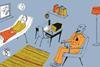 HSJ Knowledge
Mental health - a joint approach
Getting the most out of an area means working together for NHS North of Tyne
-
 HSJ Knowledge
Why staff policy should revolve around patient needs
The Royal College of Nursing’s head of policy and international Howard Catton talks to Ruslan Zinchenko about designing staffing policies based on patient need.
-
 HSJ Knowledge
How to improve variation in inappropriate admission performance
Paul Fitzsimmons explores the rate of inappropriate inpatient admissions associated with diabetes and discusses why CCGs must know how to harness information and to act on it.